

What Does a Sewer Pump Alarm Actually Mean?
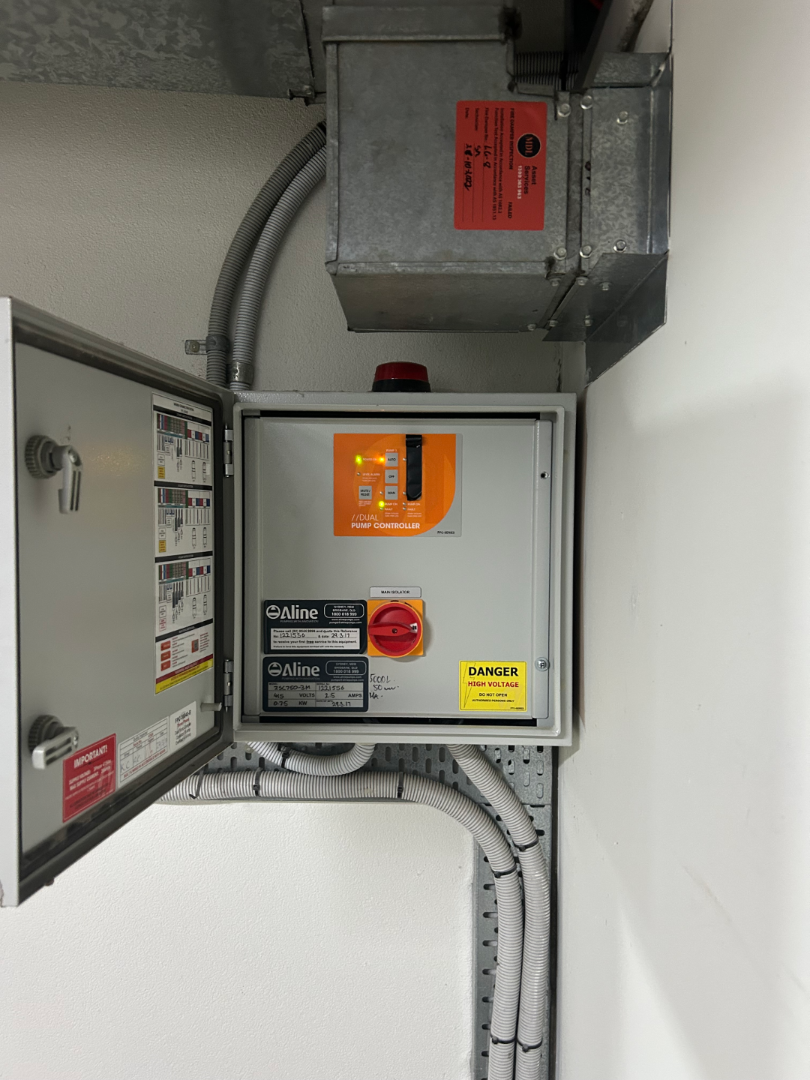
Hearing a sewer pump alarm activate can be unsettling.
For many building managers and strata representatives, the first thought is that the basement is about to flood with wastewater.
Sometimes that's exactly what's happening.
Sometimes it isn't.
A sewer pump alarm doesn't tell you what's broken—it simply tells you the pumping system needs attention.
The challenge is identifying whether the alarm has been triggered by rising wastewater, a failed pump, a faulty float switch, an electrical issue or a problem within the control system itself.
That's why every sewer pump alarm should be treated as an emergency until the cause has been properly investigated.
Our team responded to an after-hours emergency callout at a commercial property in Glebe after the building's sewer pump alarm repeatedly activated.
Interestingly, what we found wasn't what anyone expected.
When the Alarm Doesn't Match What You See
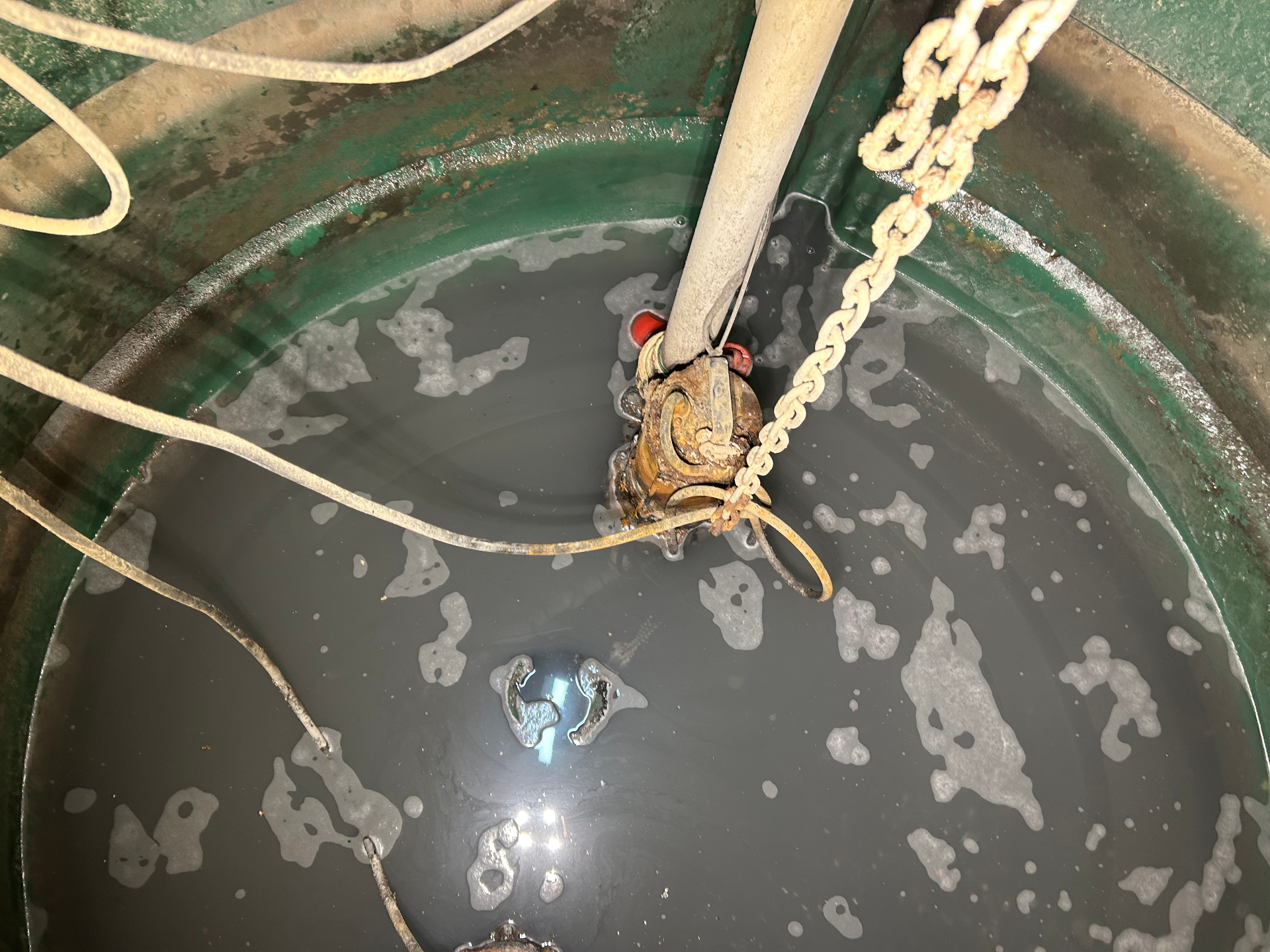
The first step during any sewer pump emergency is confirming what's actually happening inside the pump pit.
Using specialised Gatic lifting equipment, we safely opened the heavy-duty access cover and inspected the wastewater level.
Normally, a high-level alarm means exactly that—the wastewater level inside the pit has risen because the pumps are no longer keeping up.
In this case, however, the pit was almost empty.
That immediately changed the direction of the investigation.
If the pit wasn't full, why was the alarm continuing to activate?
The answer clearly wasn't going to be a simple sewer blockage.
A Sewer Pump Is More Than Just a Pump
Many people think a sewer pumping station consists of little more than two pumps sitting inside a pit.
In reality, several components all need to work together.
A typical commercial duplex sewer pump station includes:
- Pumps
- Float switches
- Electrical controls
- Alarm systems
- Isolation equipment
- Rising mains
- Control panels
If any one of these components fails, the entire system can begin behaving unpredictably.
Finding the faulty component is often more important than replacing parts at random.
Following the Evidence Instead of Making Assumptions
Our investigation moved beyond the pit itself and into the pump control system.
The control panel showed that Pump 2 had already been locked out, leaving Pump 1 responsible for the entire wastewater load.
At first glance, Pump 1 appeared to be operating.
It was running.
It had electrical power.
But it wasn't actually moving wastewater.
That's an important distinction.
A pump can sound completely normal while still failing to perform its primary job.
Rather than assuming an electrical fault, our plumbers systematically worked through the system.
Power supply was confirmed.
The pump bases were inspected for obvious obstructions.
No physical blockage was identified.
Each test eliminated another possible cause until attention focused on the pumps and float controls themselves.
Why We Reset the Alarm
One of the most useful diagnostic tools during this investigation wasn't replacing a component.
It was resetting the alarm.
After resetting the system, we observed the pump station under normal operating conditions.
Within approximately five minutes, the alarm activated again.
The pit still wasn't full.
That result was significant.
Instead of indicating a temporary fault, the system consistently reproduced the same problem.
Repeated false alarms are often more concerning than a single alarm because they indicate an ongoing issue somewhere within the monitoring or pumping system.
Why Redundancy Matters in Commercial Pump Stations
Commercial sewer pump stations are commonly designed as duplex systems.
That simply means two pumps share the workload.
Under normal conditions, the pumps alternate operation, helping balance wear across both units.
More importantly, if one pump fails, the second pump can continue operating while repairs are organised.
It's an important layer of protection.
At this Glebe property, however, one pump had already been removed from service.
That meant the building was relying entirely on a single ageing pump.
Once that remaining pump began showing signs of failure, the system effectively lost its safety backup.
The alarm wasn't simply warning about one faulty component.
It was warning that the building no longer had the level of redundancy it was designed to have.
Sometimes the Best Emergency Repair Is Not an Immediate Replacement
Emergency plumbing isn't always about replacing equipment on the spot.
Sometimes the priority is making the system safe while gathering enough information to recommend the correct permanent solution.
Because both pumps showed significant corrosion and deterioration, repeatedly resetting the alarm wasn't going to restore long-term reliability.
Instead, we recommended replacement of the ageing sewer pumps together with further assessment of the float control system.
As part of the emergency response, the audible alarm was muted to prevent continuous disruption to building occupants, while the visual warning indicators remained active.
This maintained clear notification that the fault still existed while avoiding unnecessary noise until permanent repairs could be completed.
The pump station was then safely secured before leaving site.
False Alarms Can Become Real Emergencies
One of the biggest risks with unreliable alarm systems is that people eventually stop trusting them.
If an alarm activates every day for no apparent reason, it's easy to assume the next activation is another false alarm.
Unfortunately, that next alarm could be warning of a genuine wastewater overflow.
Alarm systems are designed to provide early warning—not constant uncertainty.
That's why resolving faulty float switches, ageing pumps and unreliable controls is just as important as repairing the pumps themselves.
A reliable alarm gives building managers confidence that when it activates, immediate action is genuinely required.
Emergency Sewer Pump Specialists in Glebe
Following the investigation, our client received a clear assessment of the sewer pump station's condition together with recommendations for restoring full system reliability.
Rather than simply responding to the alarm itself, the investigation identified the underlying issues affecting the entire pumping system before they developed into a basement wastewater overflow.
Pure Plumbing Professionals provides emergency sewer pump repairs, pump station fault diagnosis and commercial drainage services throughout Glebe and across Sydney.
Our commercial plumbing services include:
- Emergency Sewer Pump Repairs
- Sewer Pump Alarm Investigations
- Pump Station Fault Diagnosis
- Duplex Sewer Pump Systems
- Float Switch Testing
- Commercial Pump Maintenance
- Basement Pump Stations
- Emergency Commercial Plumbing
Whether you're managing a commercial building, apartment complex, warehouse or strata property, a sewer pump alarm should never be ignored. Prompt investigation can identify faults before they result in wastewater overflows, property damage and costly emergency remediation.
